Faculty of Philosophy, Religion and Heritage Studies
Department of Philosophy and Religion
Commencement dates will be notified later
The Faculty of Philosophy and Religion brings together areas of study that are crucial to understanding every part of life: politics, economics, the arts, law, medicine, technology, the environment, cultures past and present and around the globe. We bring ethical analysis, the study of religion, and philosophical methods to bear on complex social, political and environmental issues to improve understanding and contribute to solutions.
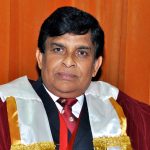
Senior Prof. Dr Lakshman Madurasinghe MSc., PhD., ThD., LLD.,D Litt., Attorney-at-Law; Behavioural Scientist Academic Board Member EDU Brussels Senior Professor Azteca University, North America, Scholar of Comparative Religions, Head of Judicial and Archbishops’ Council in the Global Synod.
DEPARTMENT OF PHILOSOPHY
Master of Arts in Philosophy
The program covers most of the major areas of philosophy, from a mainly analytic perspective. Courses related to the major periods in the history of philosophy are also taught. Candidates who have a four-year Bachelor of Arts degree can take the Master’s degree in one year.
Doctor of Philosophy in Philosophy
The PhD program in philosophy is organized primarily around the following areas of specialization:
- Moral and Political Philosophy
- Metaphysics, Epistemology, Philosophy of Language, Philosophy of Mind and Philosophy of Human Nature
- History of Philosophy
Department of Religious Leadership
Religious Leadership Studies
We believe that transformative leadership is rooted in a profound sense of purpose. It is our goal to unlock the spiritual passions and innate strengths of our students, guiding them to become ethical agents of change. Through our diverse academic programs, you will develop the practical competence to lead communities, the moral character to navigate complex challenges, an unwavering commitment to service, and the elevated consciousness necessary to make a lasting, positive impact on the world.
Department of Heritage Studies
The Department of Heritage Studies is dedicated to the practical application of historical knowledge in modern contexts, such as tourism, archiving, and museum management. Our academic framework focuses heavily on public history and heritage conservation, ensuring that students are equipped to preserve both tangible artifacts and intangible cultural traditions. A defining feature of our department is the emphasis on intergenerational narratives, utilizing oral history practicums and digital storytelling to bridge the gap between youth and elders through shared history. By treating historical knowledge as a living, dynamic asset, we train our students to ethically manage, digitally archive, and accurately communicate our rich cultural heritage for future generations.
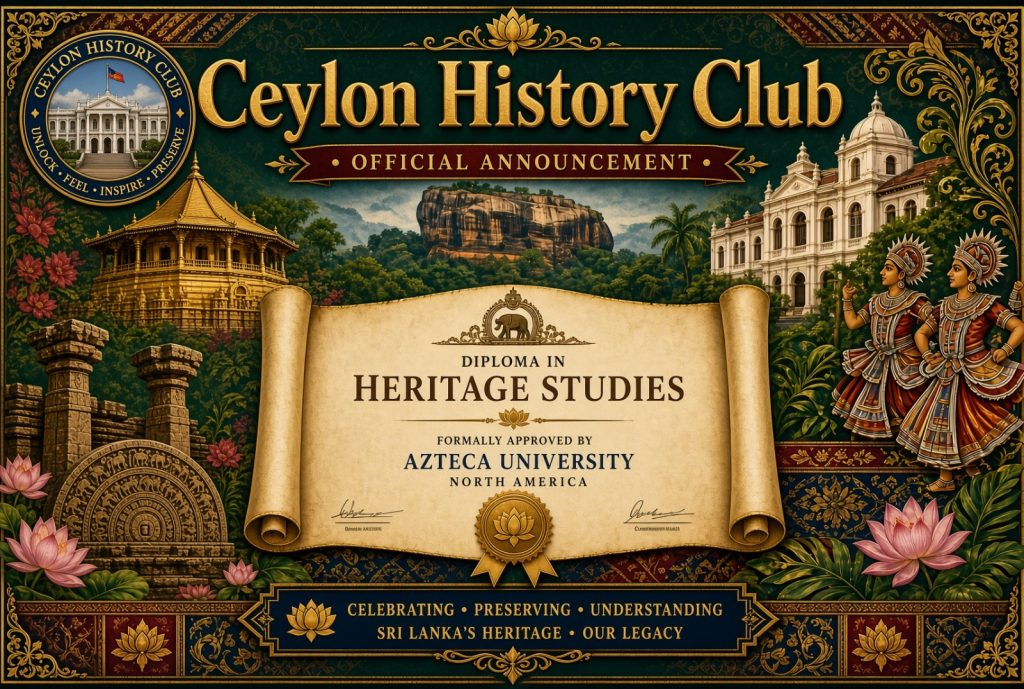
Our Diploma in Heritage Studies has received the approval of Azteca University NA who will also provide online verification for diplomas issued.
DEPARTMENT OF RELIGIOUS STUDIES
The Department of Religious Studies offers graduate work in several study areas:
Buddhism - Primarily concerned with Theravada Buddhism, Buddhist literature in Chinese, Japanese, Sanskrit, Pali, and Tibetan; Modern and Contemporary Buddhism in Japan; Medieval Chinese Buddhism; Buddhist thought
East Asian Religions - Primarily concerned with Taoist canonical literature; the construction of Shinto; Chinese science, alchemy and medicine; the New Religions of Japan; the relationship of Buddhism with indigenous East Asian traditions (Confucianism, Taoism, Shinto
Christianity - Primarily concerned with the writings included in the New Testament, particularly the gospels, Pauline literature, Hebrews, and in the early Greek Church Fathers
Homiletics, Dispensations, Early Church History, Comparative Religions Eschatology, Tripartition of Man, Spiritual Gifts, Bibliology Introduction to Old Testament, Introduction to New Testament Marriage & Family, Apologetics, Systematic Theology, Doctrines, New Testament survey, NT Greek
Western Religious Thought - Primarily concerned with the philosophy of religion, theology, and ethics (Islamic, Jewish, Christian, secular) in the classical and modern periods. Areas of specialization include patristic thought, the interrelations between philosophy and religion
Philosophy of Religion - Philosophy of Religion is identified by a style of thinking and writing. Complementing ‘analytic’ approaches, the philosophy of religion draws upon literary devices; cultural, feminist or political theory; historical analysis; play and imagination; experimental forms of language; psychoanalysis; deconstruction and many others. Students will engage with selected themes, issues and texts which may be drawn from such examples as Hegel, Kierkegaard, Nietzsche and Heidegger
Indian Religion and Philosophy - The study will focus on religious and philosophical texts of the Hindu and Buddhists traditions. Texts may include the Rg Veda, Upanishads, Mahabharata, Bhagavad Gita, or the Yoga Sutra from the Brahmanical/Hindu tradition, and the Nikayas, Vinaya, Jatakas, Lotus Sutra, from the Buddhist tradition. Alongside reading the primary sources, we will also focus about methods of interpretation such as text-historical criticism, hermeneutics, phenomenology, orientalism, and post-colonial theory.
Philosophy of Religion - role of Africa in theory formation. Students who successfully complete this module will be able to demonstrate knowledge of the nature of religion as defined by leading theorists of religion, can demonstrate knowledge of, and critically assess, the linguistic, anthropological, sociological and psychological theories of religion, as well as the intersection of religion with phenomenological and critical theories of class, race and gender.
Diploma in Heritage Studies Syllabus
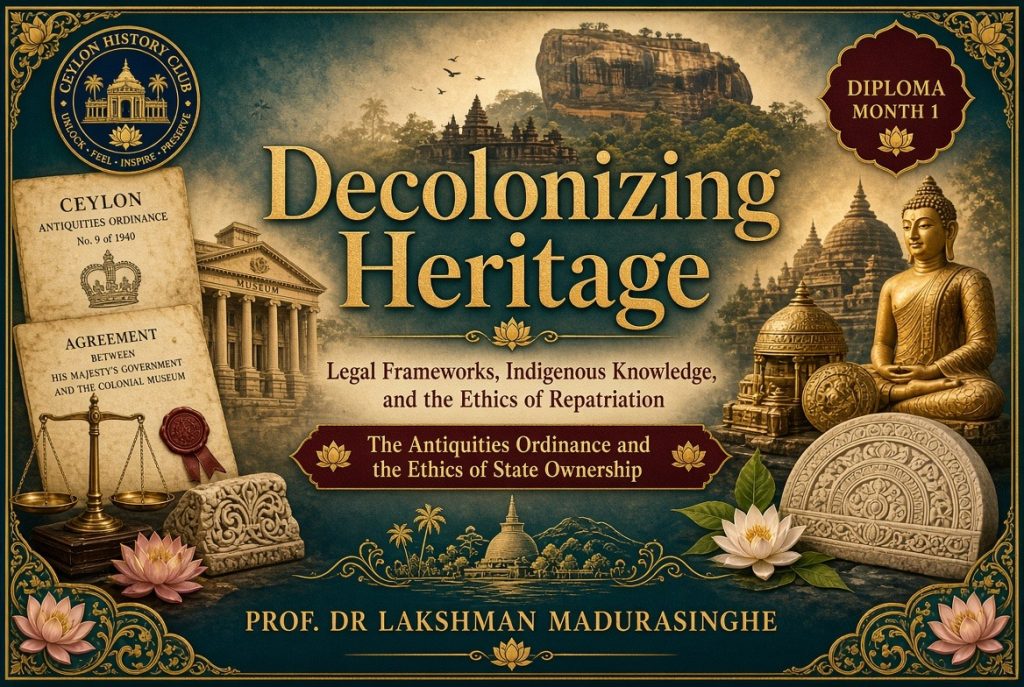
Month 1 : Foundations of Heritage, Historiography, Law, and Ethics Objective: Establish the theoretical definitions of heritage, historical research methodologies, and the legal frameworks governing cultural property. Month 2 : Antiquity and Pre-Colonial Civilizations Objective: Provide a critical understanding of pre-colonial state formation, architectural heritage, and socio-cultural evolution within the Indian Ocean context. Month 3 : The Colonial Encounters (1505–1948) Objective: Analyze the impact of European colonial administration on architecture, urban planning, economy, and societal structures. Month 4 : Intangible Cultural Heritage and Memory Objective: Explore living traditions, performative arts, and indigenous knowledge systems, moving beyond built environments. Month 5: Heritage Conservation, Management, and Digital Archiving Objective: Equip students with practical skills in site management, public history, and the digital preservation of historical assets. Month 6: Capstone Project: Oral History Practicum Objective: A culminating field-based research project where students design, execute, and present original historical research.
Academic Staff
Department of Philosophy and Religion
Prof. Dr. Tatyana
Master of Psychology, Master of Oriental Medicine, Doctor of Alternative Medicine, Director of the International Center for the Health of the Bioplasmic Human Body, Knight of the Ecumenical Medical and Humanitarian Order Knights of St. John Jerusalem
DD, FICA, SD (USA), and PhD (USA). FOUNDER and CHAIRMAN AUGP Global Peace Foundation and Rector The American University Patriarch of the Synod of the Global Apostolic Diocese
MBBS, FRCS, FCSSL —Surgeon Turned Field Researcher
Prof Dr. Dame Aspasia Peppa
New Testament Greek
DBA., MEd., BBΑ
Mr. Vijitha Herath (MA-London)
Former United Nations International Civil Servant Founder - Ceylon History Club
Dr. Ajith Amarasinghe
MBBS, DCH, MD, MRCP, MRCPCH Consultant Medical Doctor, Author of The Portuguese In Ceylon
Deshabandu Vishwa JP Dr.Janaka Edirisinghe
BS., MS ( Industrial Engineering- North Carolina )., PhD..... Founder of the American Alumni Association in SL